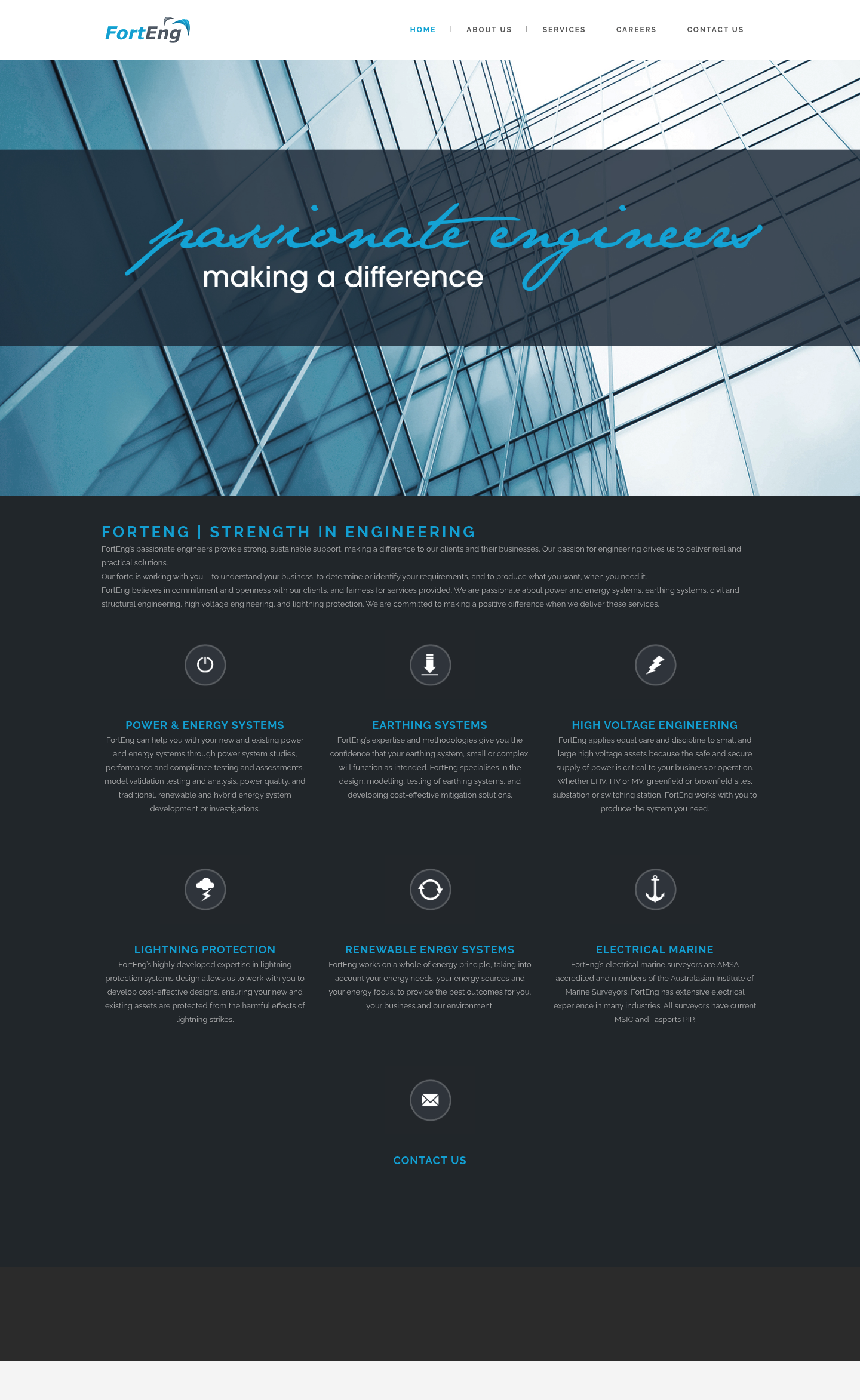
FortEng has built genuine engineering strength in Tasmania across power and energy, specialising in high-voltage, earthing and lightning protection, and lists seven distinct specialised services. The website repeats broad credential language without sector-specific case studies, accreditations or clear decision routes, so utilities and industrial buyers are dropping out before shortlist and tender stages. I reviewed the numbers: roughly 173 sessions a month, about 14 ranking keywords and an authority score of 8, which shows offline reputation is not being validated online.
Your online reputation
Google star rating
Verified reviews
Medium
Reputation strength
Google Business Profile
Your online presence — what the data reveals
AI Visibility
Low
Authority Score
8
out of 100
Organic traffic
172
est. monthly visits
Traffic Trend
+17k
%
past 12 months
Organic Keywords
13
ranking terms
Keyword Trend
+27
%
past 12 months
Backlinks
71
total
Paid traffic
0
0 paid campaigns
Digital maturity
Level 1
out of 5
FortEng’s hardest to copy asset is its technical specialisation in high-voltage and earthing work, reflected in seven clearly listed specialised services. There are also existing external mentions to build on: 71 backlinks from 20 referring domains. If the website presented those projects and outcomes more clearly and created simple buyer paths, those assets could be converted into predictable inbound enquiries and more shortlist placements.
How your website scores
TECH STACK
UX OBSERVATIONS
Hero messaging is decorative and emotional rather than technical, diluting perceived competence and making buyers question whether FortEng has the specialist capability required for complex utility projects.
No visible sector proof (client logos, case studies, accreditations or measurable outcomes), which under-signals credibility and will fail to meet procurement or engineering buyer expectations during early evaluation.
There is no prioritised conversion path or primary CTA: service tiles and icons are equal-weight, forcing visitors to hunt for contact or decision guidance and reducing inbound enquiry rates.
With only about 173 sessions per month and roughly 14 visible keywords, most technical buyers are not finding or assessing FortEng online, which directly reduces tender invites and shortlist entries. An authority score of 8 means the firm’s claimed reputation is not being validated digitally, so recent traffic gains look fragile rather than sustainable.
The three gaps holding you back
What's possible when these gaps are closed
Turn technical reputation into decision-ready evidence by publishing three to five detailed case studies of earthing and high-voltage projects with clear outcomes and lessons. Use the existing external mentions (71 backlinks from 20 referring domains) to amplify those case studies so procurement and engineering teams can validate claims quickly.
Reframe the seven specialised offerings so each service page answers the buyer question: what will I get and how do I engage FortEng. Clear outcome-focused pages will reduce friction for technical buyers and expand relevant keyword coverage beyond the current 14 keywords.
Stabilise and grow the current ≈173 sessions per month by fixing basic on-page SEO and adding decision-focused calls to action so discovery converts to enquiries. These straightforward steps can turn fragile recent gains into a predictable source of tender invites and shortlist placements while improving external validation over time.
This report was prepared by Redfox Digital using publicly available SEO, UX and reputation data.